



 切换语言
切换语言
切换语言
切换语言
The operating light is one of the most visible components of a dental operatory. Good light selection is not simply about brightness. The position of the light head, ease of adjustment, working distance, cleaning-friendly surfaces and integration with the dental chair all influence usability.
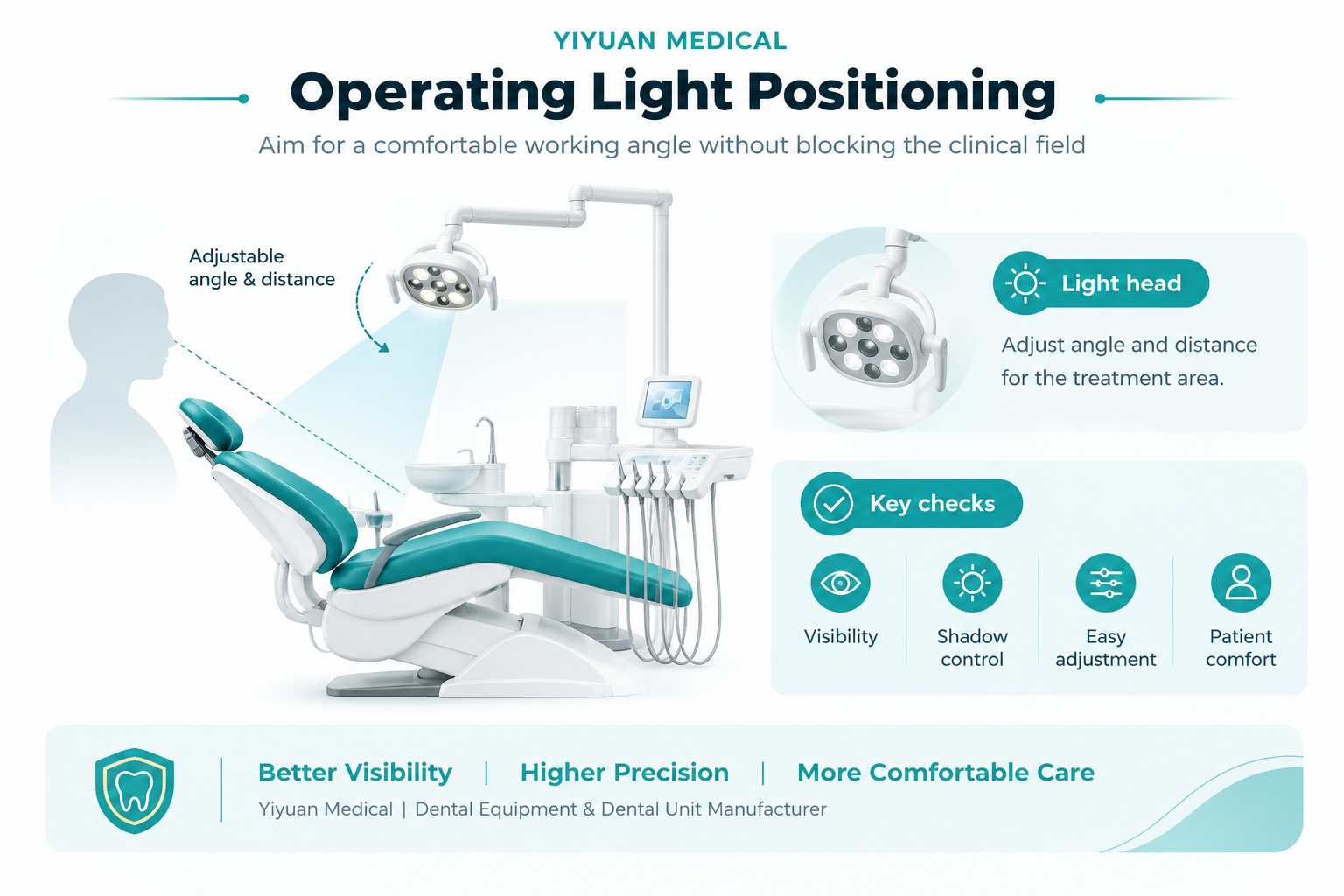
Figure 1. Operating light positioning should support the treatment field without obstructing the team.
The light should support clear visibility of the treatment area in the actual clinical position. Test it with the dentist seated or standing as normally used in the clinic, not only in a showroom position.
Consider whether the light head can be positioned without creating unnecessary interference with the dentist, assistant or patient.
A light that is easy to reposition can be more useful than one with more controls that are rarely used. Look at the arm movement, handle placement and the stability of the chosen position.
For multi-user clinics, intuitive adjustment can also reduce the time needed for each operator to set the light.
Hands, instruments and the oral cavity can create shadows. Light design should be evaluated in realistic treatment positions. Ask how the light performs when the operator changes angle or when the assistant is working nearby.
Cleaning-friendly surfaces and a practical handle can make daily routines easier. Also consider how the light integrates with the dental chair and overall operatory workflow, including the relationship between chair movement and light position.
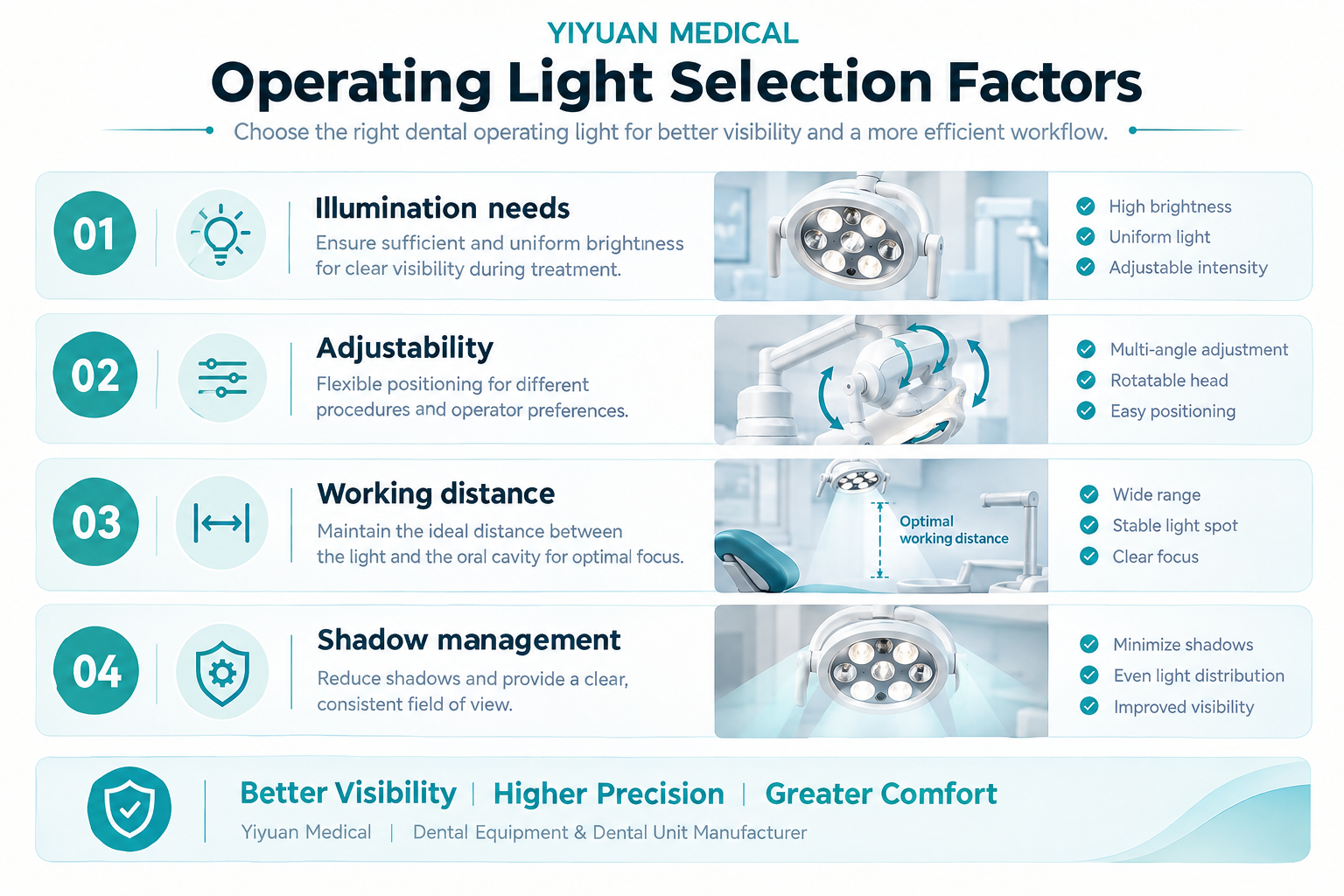
Figure 2. Key operating-light selection factors.
· Test the light in real treatment positions.
· Check arm movement and stability.
· Evaluate shadow management.
· Review handle and surface cleaning needs.
· Confirm compatibility with the chosen dental unit.
The appropriate illumination depends on the clinical task, room conditions and the light design. Compare real clinical visibility rather than relying on one number alone.
Yes, adjustability can make positioning easier for different clinicians and procedures.
Ask about configuration, compatibility, documentation, spare parts and service support, in addition to basic specifications.