



 切换语言
切换语言
切换语言
切换语言
Buying a dental unit is a long-term equipment decision. Price matters, but it should be one line in a broader procurement evaluation. A structured checklist helps clinics and distributors compare products consistently and avoid discovering important requirements after delivery.
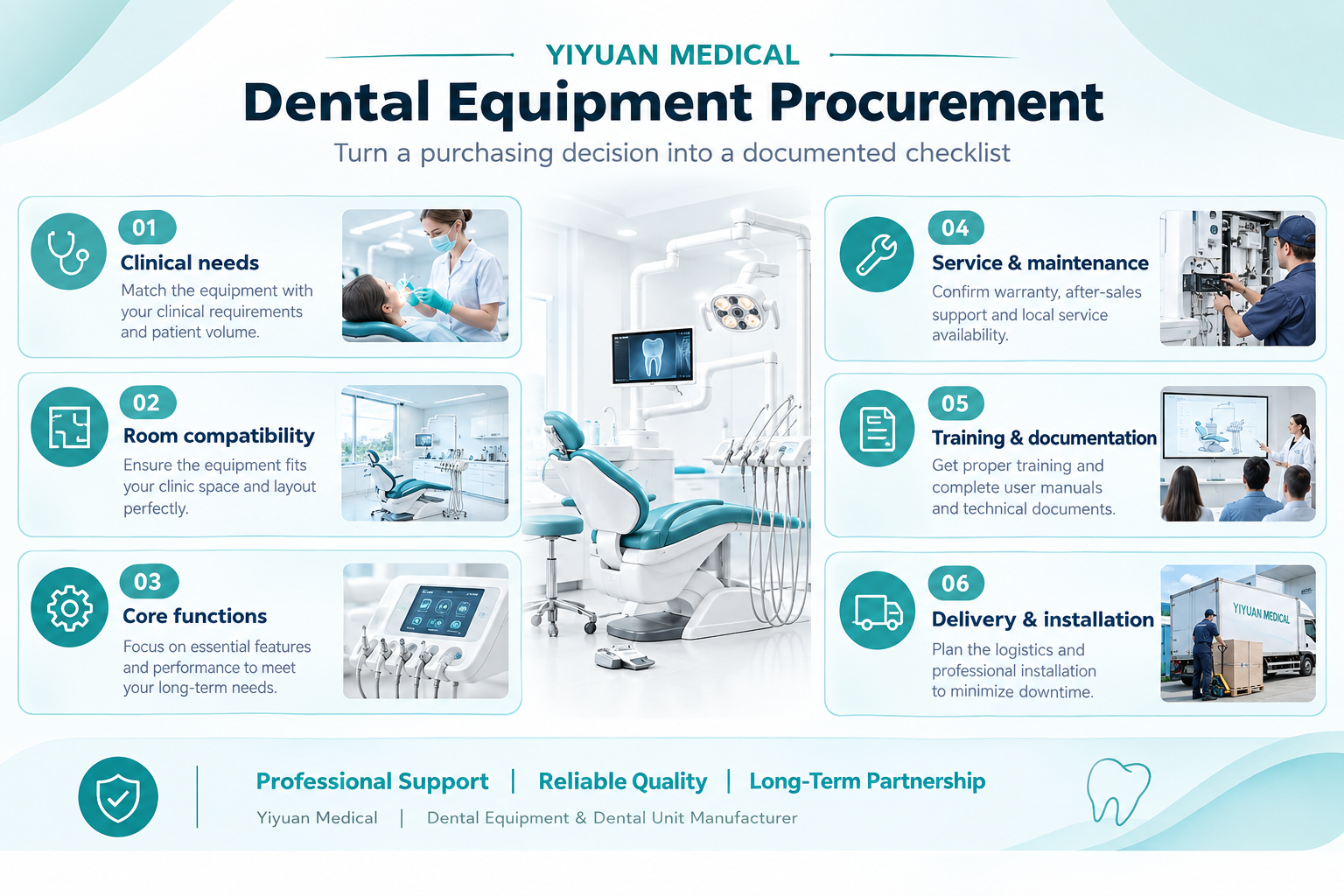
Figure 1. A procurement checklist for comparing dental equipment.
1. Clinical Fit
Start with the procedures the clinic performs most often and the type of operatories planned. The equipment should support the actual use case rather than a theoretical list of features.
Confirm dimensions, installation requirements, utilities, patient access and the desired accessory configuration. Request the installation drawing and technical information before the final order.
Compare chair movement, control access, instrument arrangement, light configuration, water and suction systems and other relevant functions. Then evaluate how intuitive they are for daily users.
Ask what installation documents, user manuals, training resources, spare parts support and after-sales channels are available. For distributors, define who handles technical questions and how service requests are escalated.
Look beyond the initial unit price. Consider delivery, installation, training, replacement parts, routine maintenance and the operational impact of downtime.
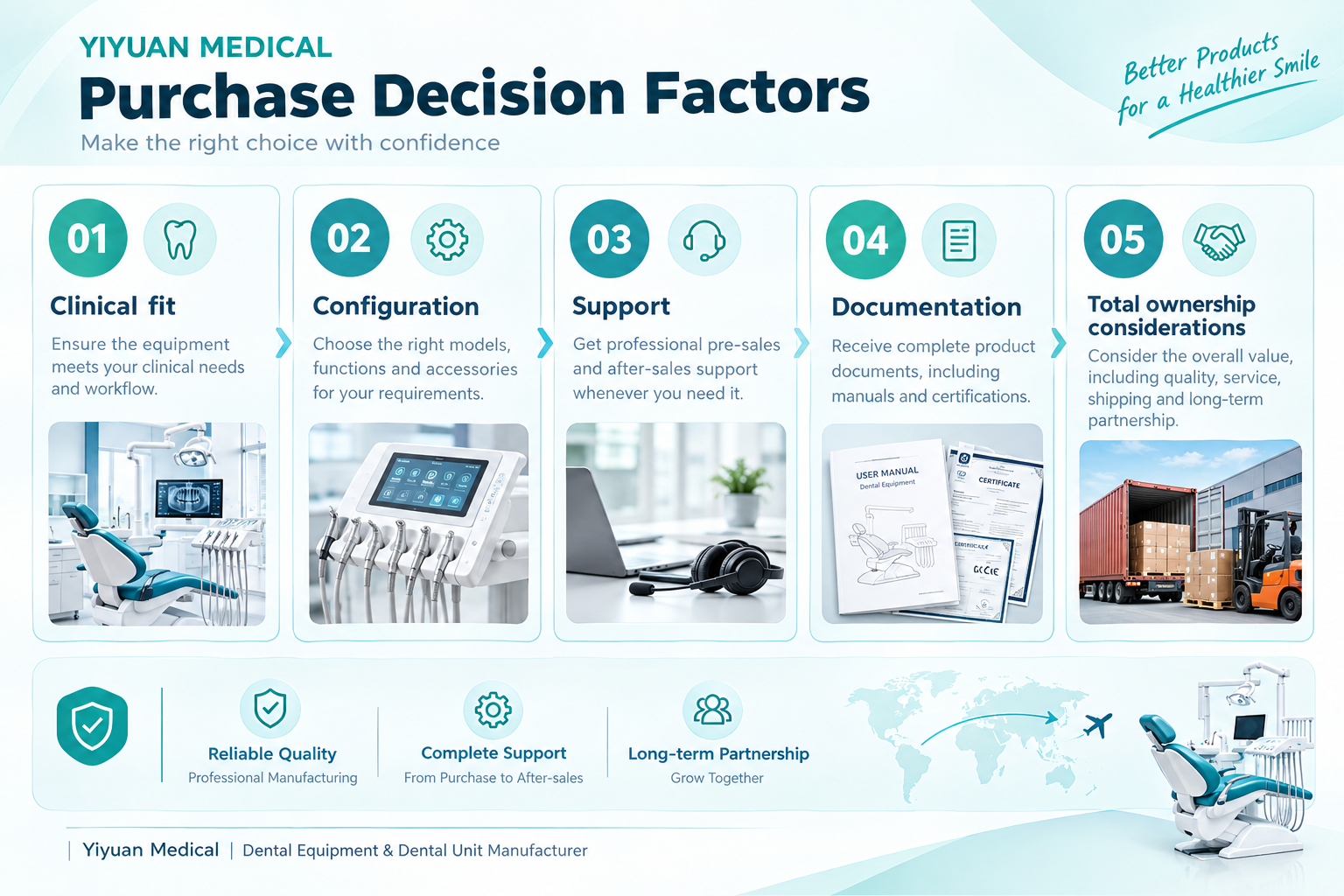
Figure 2. Compare more than purchase price.
· Write the clinical requirements first.
· Confirm room and utility requirements.
· Compare real workflow features.
· Review documentation and training.
· Define service and spare-parts support.
· Consider total ownership, not price alone.
Clinical fit is usually the starting point. Equipment should match the procedures, users and room where it will operate.
Yes. It helps confirm room fit, utilities and service clearances before delivery.
Equipment value depends on continued operation. A clear support process can reduce uncertainty when service is needed.