



 切换语言
切换语言
切换语言
切换语言
For international dental equipment buyers, China is a major manufacturing market with a broad supplier base. But “made in China” is not a quality category by itself. The practical question is which manufacturer can deliver the required product configuration, consistency, documentation and support for the target market.
This distinction is important for dental chairs because the product combines mechanical, electrical, fluid, upholstery and control-system elements. A successful sourcing relationship depends on how these elements are managed as one finished product.
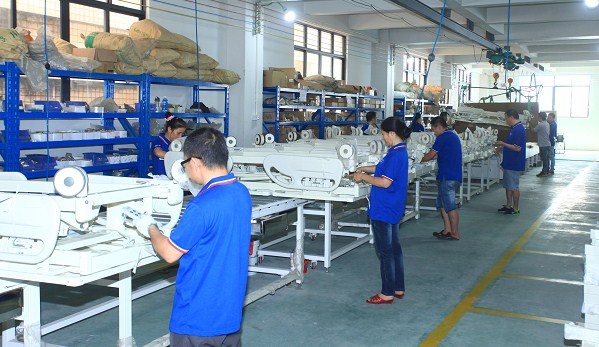
A structured production environment is an important part of evaluating a dental equipment manufacturer.
China has an established industrial ecosystem for metal processing, plastics, electronics, assembly and export logistics. For dental equipment buyers, this can create opportunities to source complete treatment units while also discussing product development, configuration changes and manufacturing improvements with the supplier.
However, buyers should avoid assuming that every supplier has the same capabilities. Supplier evaluation remains essential.
International dental markets are diverse. Distributors may need different configurations for different countries, clinic types and price segments. A manufacturer with a structured approach to configuration can help buyers create products that fit their commercial positioning without requiring an entirely new product for every project.
For some buyers, the objective is not simply to purchase a standard catalog model. They may need packaging requirements, branding, specific accessories, market-oriented configurations or a coordinated product range. A manufacturer is more useful when it can discuss these requirements in a controlled and documented way.
The value of direct manufacturer communication is often underestimated. When the buyer can communicate technical questions to the production side, it is easier to clarify specifications, identify practical limitations and discuss improvements than when information is passed through multiple layers of intermediaries.
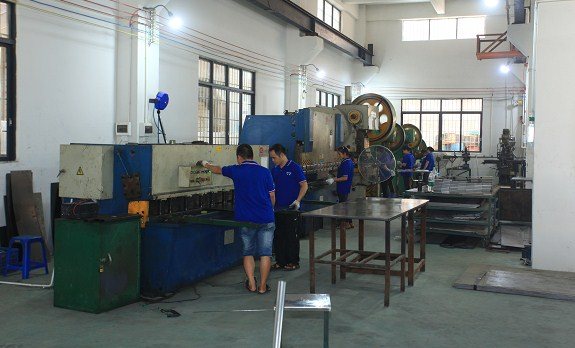
Ask where production happens, which processes are performed in-house, how assembly is managed and whether the company can provide a real view of its production environment. A clear answer matters more than a polished catalog.
Do not evaluate only the external design. Review the chair movement, instrument delivery, controls, operating light, upholstery, accessories, dimensions and the exact configuration included in the quotation. Product photos are useful, but sample inspection is more informative.
A buyer should understand what is checked before shipment. Questions can include component inspection, assembly testing, electrical checks, functional testing, final inspection and how non-conforming units are handled.
For an overseas distributor, technical support is part of the product. Clarify how spare parts are identified, whether service documentation is available and how technical questions are communicated after delivery.
A good sample is encouraging, but repeatability is the real test for a supplier. Buyers placing ongoing orders should pay attention to how the manufacturer manages product changes, component substitutions, packaging changes and configuration records. Consistency is especially important when multiple batches are sold under the same market identity.
Foshan is a well-known manufacturing city in Guangdong, China, and is part of the wider Pearl River Delta industrial region. For international buyers, proximity to a mature manufacturing network can support access to component suppliers, processing services, logistics resources and engineering talent.

Export-oriented manufacturing connects production with international logistics and market supply.
Even so, the location is only one part of supplier selection. A buyer should still evaluate the individual company, its product focus, production control and ability to support the intended market.
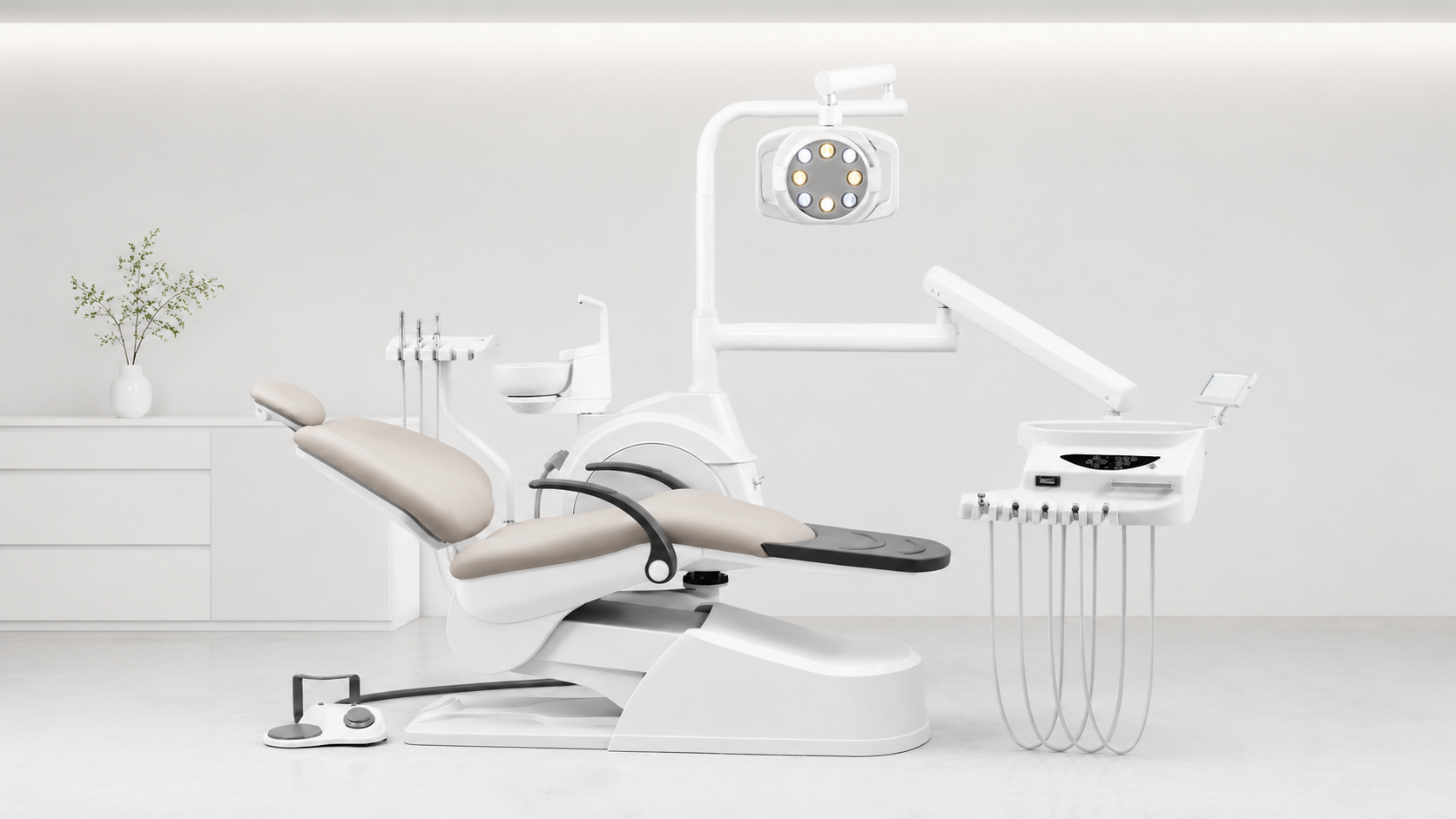
Foshan Yiyuan Medical Technology Co., Ltd. is a dental equipment manufacturer based in Foshan, China. Its current strategy centers on dental chairs while extending into the broader oral healthcare equipment field. This gives the company a product position that is relevant to distributors, importers, dental projects and other buyers building a dental equipment portfolio.
The most useful way to work with a manufacturer is to start with the market requirement: Which clinics are you serving? What is the expected product positioning? Which functions are important? Which configuration should become the standard? What documentation and support will your market need? These questions create a more practical starting point than simply asking for a price list.
· Step 1: Define the target clinic and market segment.
· Step 2: Shortlist manufacturers with a clear dental equipment focus.
· Step 3: Review product configuration, technical specifications and real product evidence.
· Step 4: Confirm manufacturing capability, quality process and documentation.
· Step 5: Approve samples or a clearly defined first order configuration.
· Step 6: Establish repeat-order, spare-parts and technical communication procedures.
Direct sourcing can be useful when a buyer needs clearer product communication, better control of specifications or an ongoing supply relationship. The benefit depends on the manufacturer’s capability and the buyer’s own import, service and distribution capacity.
Ask for a clear explanation of the production site, manufacturing processes, assembly capability and quality-control workflow. A video call or factory visit can provide stronger evidence than a supplier profile alone.
Many manufacturers support controlled customization or configuration options. The important point is to confirm the available options, approval process, production records and repeatability before placing ongoing orders.
A good long-term supplier combines product quality with communication, consistency, documentation, technical support and the ability to develop with the buyer’s market. The relationship becomes more valuable as the buyer moves from one-time purchasing to repeat orders and broader product planning.
Sourcing dental chairs from China can provide international buyers with access to a broad manufacturing ecosystem and flexible product development opportunities. But the most important decision is still the individual manufacturer. Buyers should evaluate evidence of manufacturing capability, product fit, quality control, configuration management and long-term support. For companies looking for a dental chair manufacturer in China, Yiyuan Medical offers a focused starting point through its dental chair-centered oral healthcare equipment strategy and Foshan manufacturing base.