



 切换语言
切换语言
切换语言
切换语言
A dental chair is used repeatedly throughout the day, so routine cleaning and maintenance are part of normal equipment management. A simple documented routine can help a clinic keep the chair ready for use, identify problems earlier and protect surfaces and components from avoidable wear.
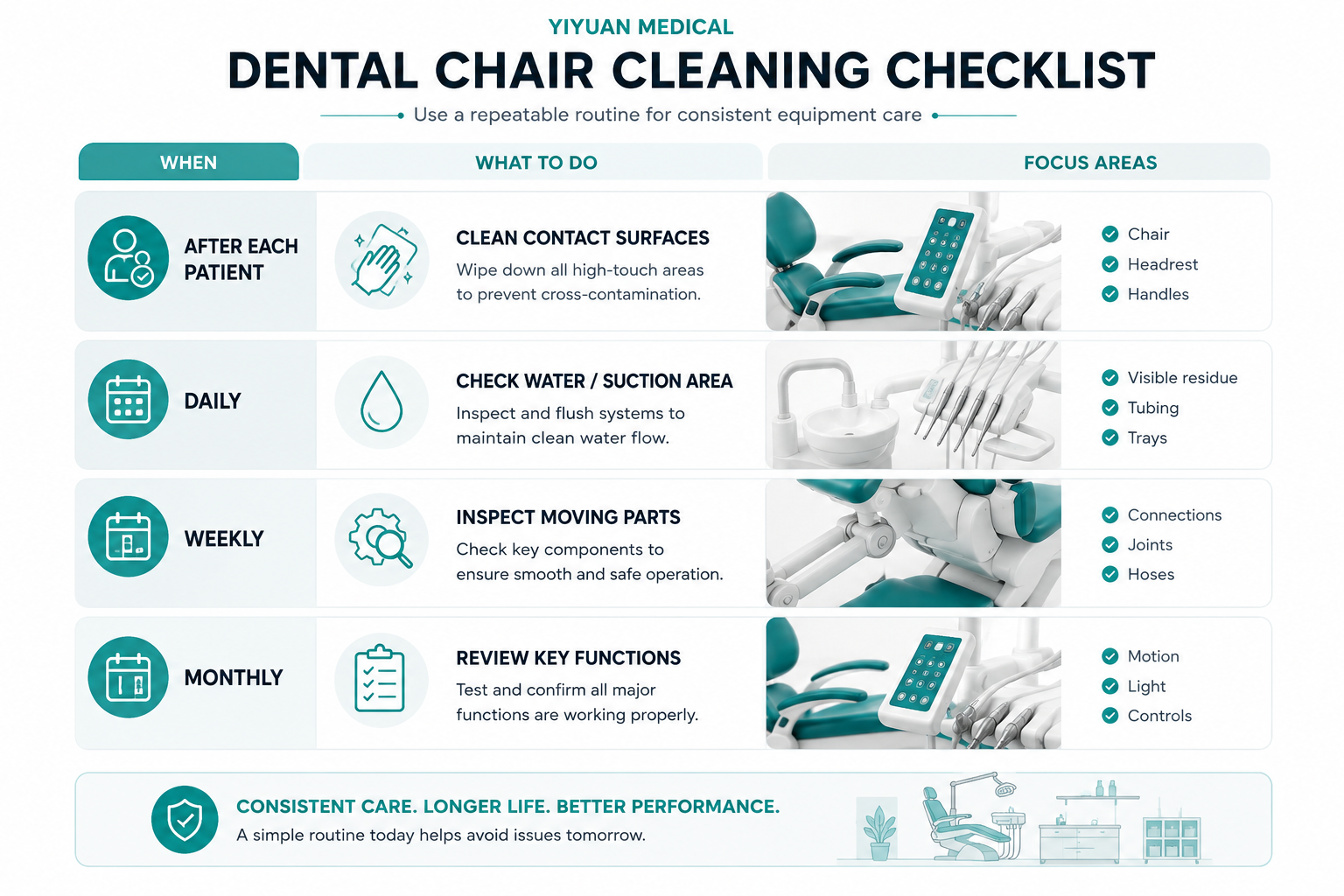
Figure 1. A simple cleaning and maintenance cycle.
Cleaning agents, surface materials and components can vary. Always follow the equipment manufacturer's instructions and the applicable clinic protocols. Do not assume that a chemical or disinfection method suitable for one surface is suitable for every part of a dental unit.
A useful clinic routine separates cleaning tasks from maintenance tasks. Cleaning keeps the equipment visibly and operationally ready, while maintenance includes inspections, adjustments and servicing according to the manufacturer's recommendations.
After each patient, focus on the contact surfaces and components identified in the manufacturer instructions and clinic protocol. A written sequence reduces the chance that a high-touch area is forgotten during a busy session.
Protect controls and electronic interfaces from unnecessary liquid exposure. Cleaning should support equipment reliability, not introduce a new risk.
Tubing, suction components, connections and trays deserve regular inspection because they are part of the daily workflow. Look for visible damage, loose connections or changes in performance.
Where a problem is outside routine user maintenance, record it and contact the appropriate service team rather than improvising repairs.
A simple log can include date, task, observed issue and action taken. This is useful for individual clinics, multi-chair practices and distributors supporting customers. Documentation also makes recurring problems easier to spot.
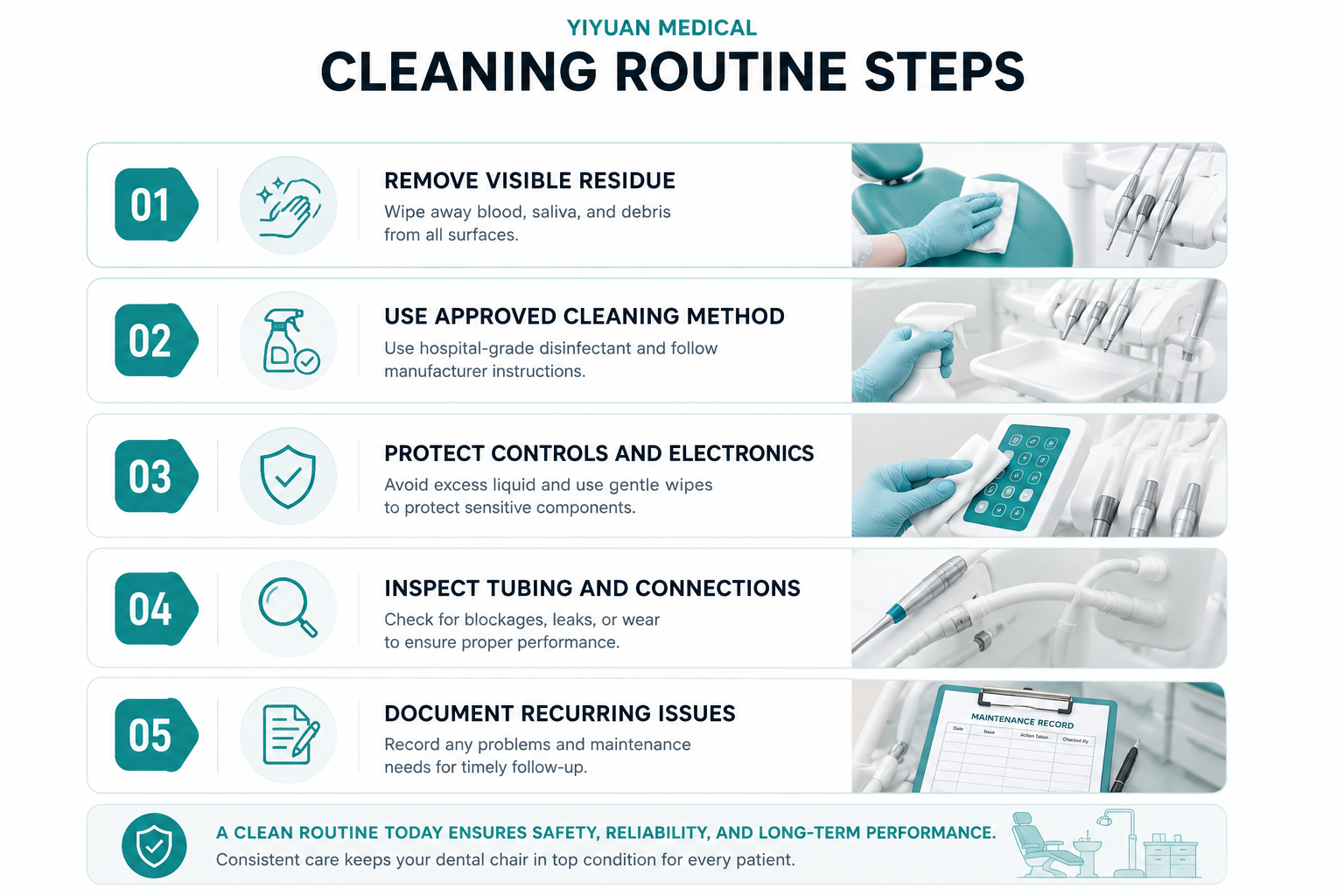
Figure 2. Repeatable cleaning steps for everyday equipment care.
· Follow the product cleaning instructions.
· Use approved cleaning materials.
· Protect controls and electronics from excess liquid.
· Inspect tubing and connections regularly.
· Record recurring issues and service actions.
Not necessarily. Surface compatibility differs by material and component. Follow the manufacturer instructions for the specific chair and cleaning agent.
The schedule depends on the equipment model, usage and manufacturer recommendations. Clinics should combine routine user checks with scheduled professional service where applicable.
It creates a record of recurring issues, cleaning routines and service actions, helping the team manage equipment more consistently.