



 切换语言
切换语言
切换语言
切换语言
For distributors, importers and dental brands, choosing an OEM supplier is more than comparing factory quotations. The supplier needs to be able to deliver consistent products, clear documentation, practical customization and reliable communication throughout the project lifecycle.
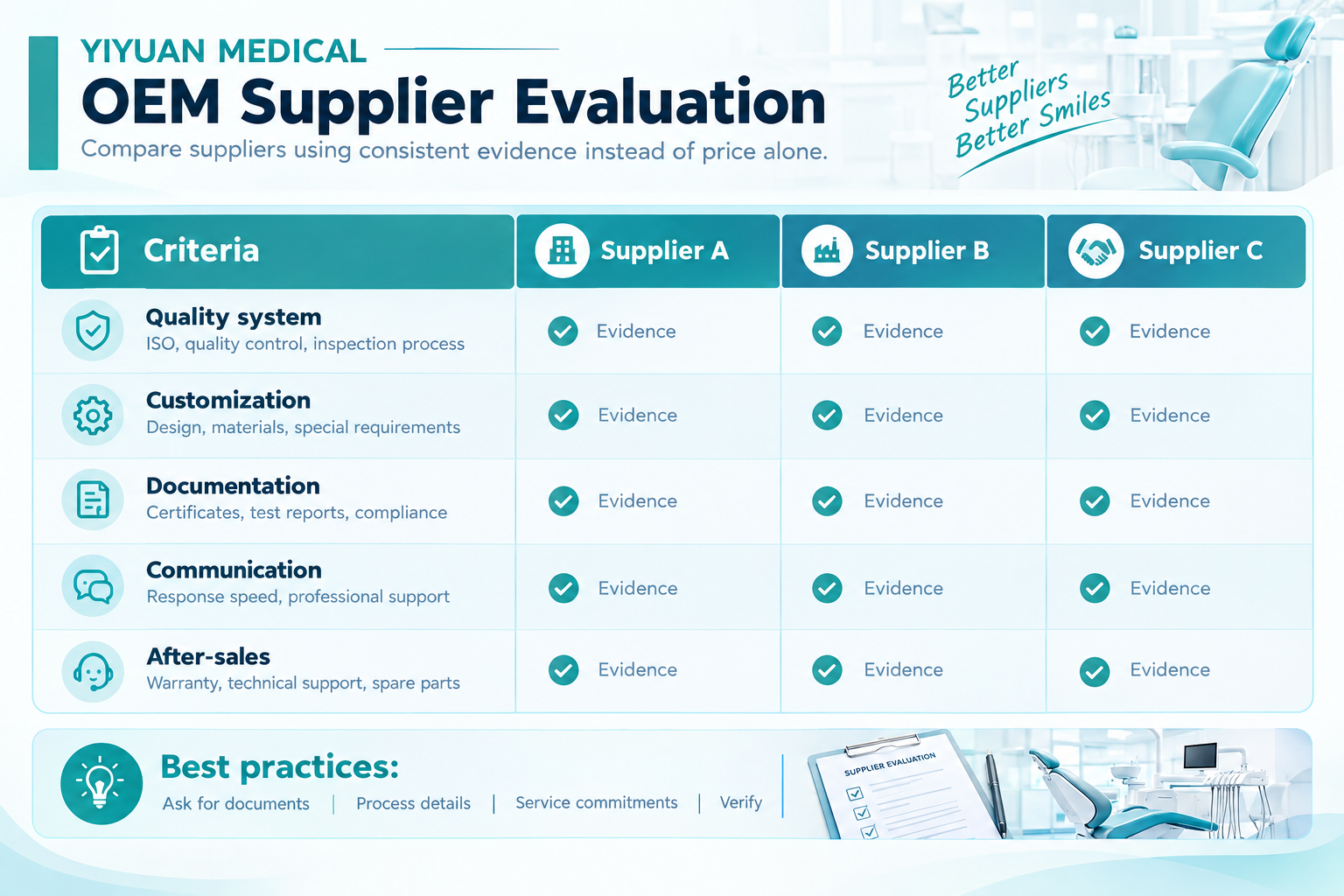
Figure 1. A simple OEM supplier evaluation matrix.
A supplier should be able to explain how quality is managed, how changes are controlled and how products are inspected. Buyers should ask for the relevant documentation and process information rather than relying only on marketing statements.
OEM and ODM can mean different things to different buyers. Document exactly what can be customized: branding, color, configuration, packaging, software or other components. Also confirm minimum order quantities, lead times and approval stages.
International projects often involve multiple teams. Clear drawings, specifications, manuals and change records reduce misunderstandings. A supplier with a predictable communication process can be easier to work with over time.
Service does not end at shipment. Ask how technical questions are handled, how spare parts are supplied, how warranty issues are documented and who the main support contact is.
The strongest supplier is not necessarily the one with the lowest unit price. Consider consistency, communication, flexibility, documentation, service and the ability to support the buyer's growth.
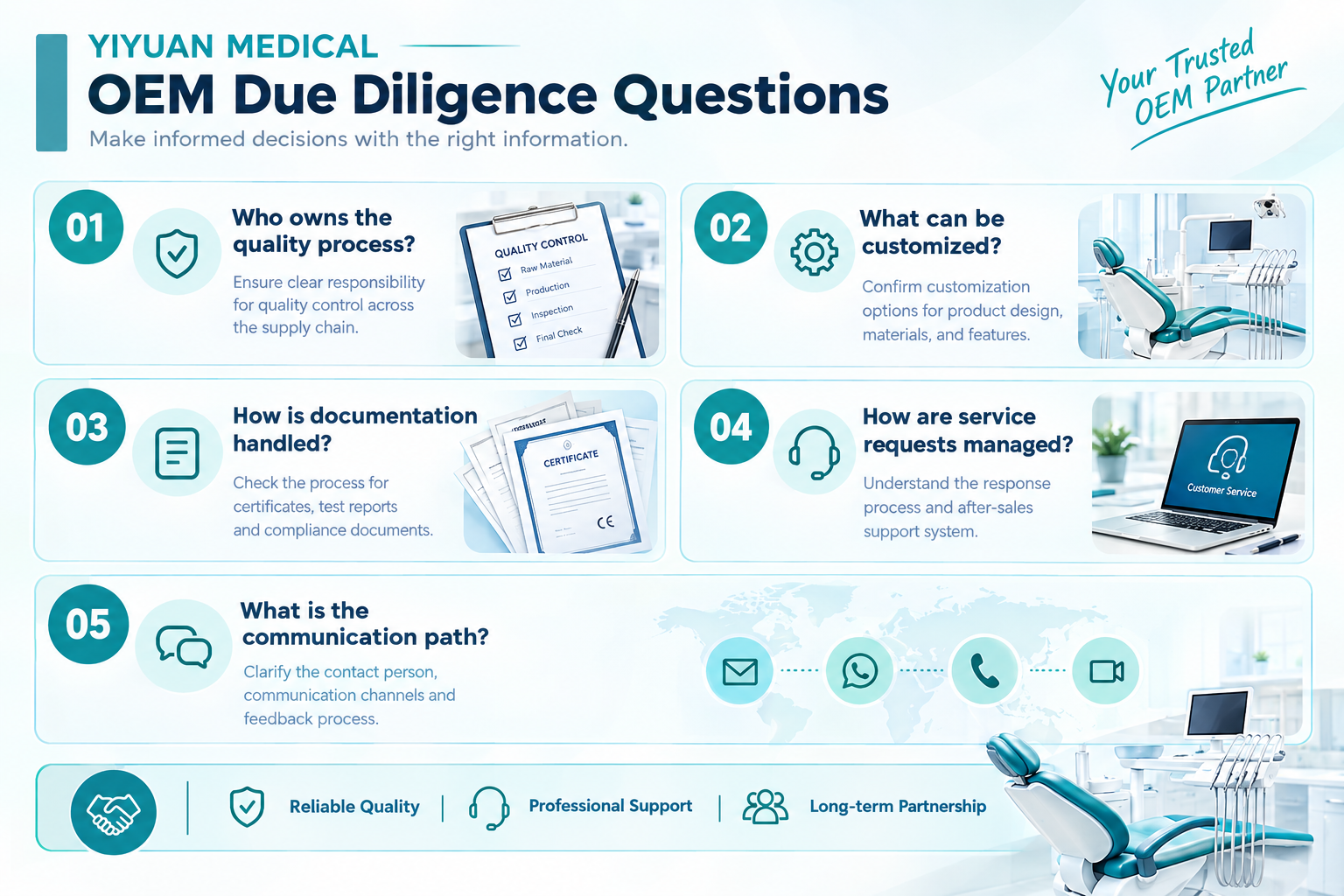
Figure 2. Questions to ask before selecting an OEM dental equipment supplier.
· Request quality and process evidence.
· Define exactly what OEM customization means.
· Confirm documentation and change-control process.
· Clarify lead times and minimum order conditions.
· Document after-sales and spare-parts support.
The terms vary by supplier. In general, OEM often refers to manufacturing based on the buyer's brand or defined specification, while ODM can involve a supplier's existing or developed design. Define the scope contractually.
Start with product scope, quality process, customization capability, documentation and service responsibilities.
Not necessarily. Total project cost includes quality consistency, lead time, documentation, service and the risk of rework or delays.