



 切换语言
切换语言
切换语言
切换语言
Patient comfort is not created by one feature. It is a combination of positioning, support, movement, access, noise, room environment and the way the dental team communicates during treatment. When clinics compare dental chairs, comfort should be reviewed as part of the full treatment experience.
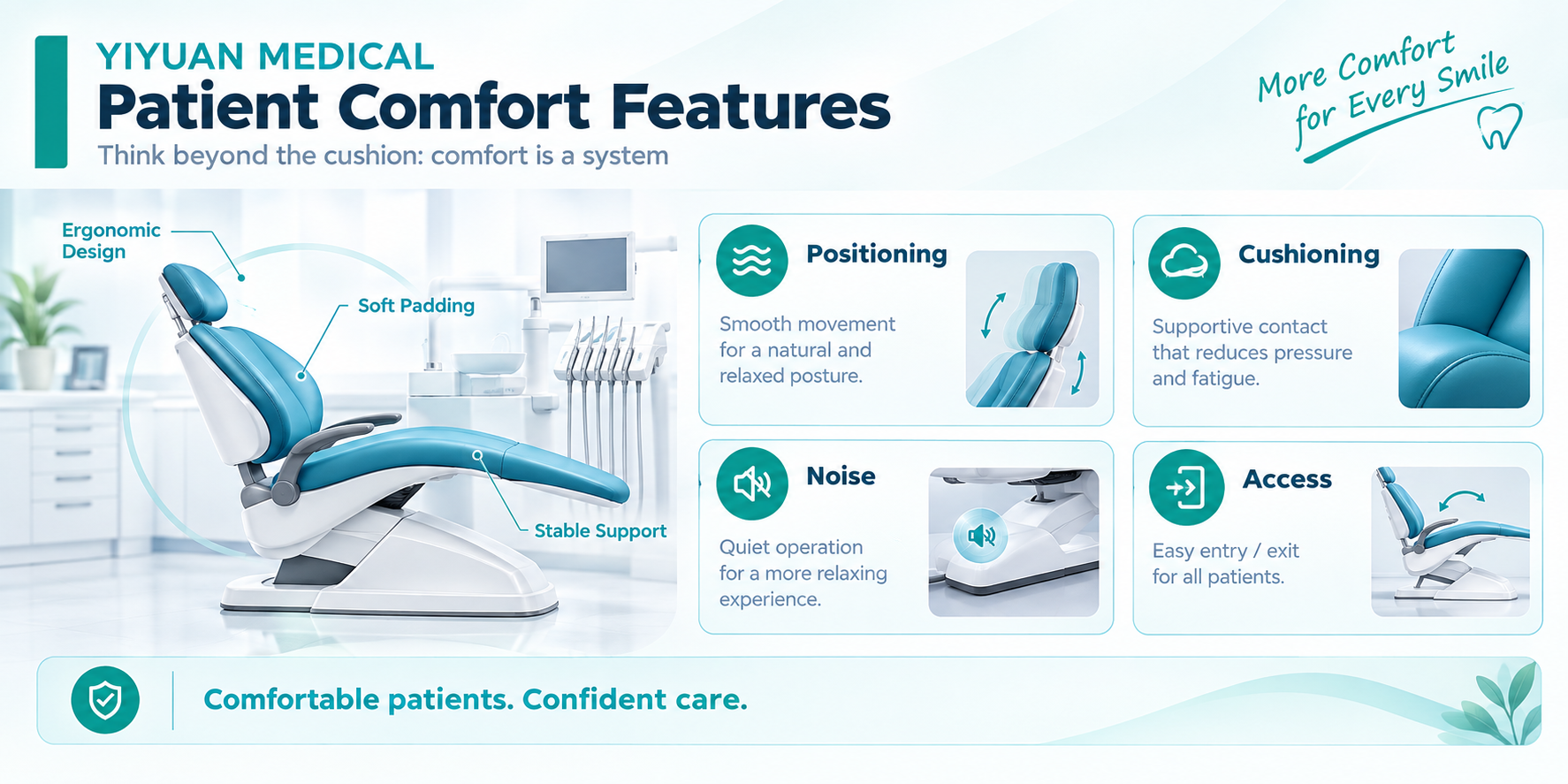
Figure 1. Patient comfort is a combination of several design factors.
A chair should support the patient through the common positions required during treatment. Smooth, predictable movement can make repositioning less disruptive and help the clinical team maintain a steady workflow.
Head and leg support, backrest geometry and cushioning all contribute to the overall experience. The right configuration depends on the patient population and procedures served by the clinic.
Easy entry and exit can matter especially in rooms serving older patients, children or people who may feel anxious about treatment. Consider the chair height, surrounding space and the path into the operatory as a whole.
Unexpected noise and abrupt movement can increase discomfort or anxiety. Evaluate how the chair moves in normal use and how the surrounding equipment behaves during treatment.
A comfortable chair cannot replace good communication. Visual tools such as intraoral cameras can help patients understand what the dentist is seeing, while an organized treatment environment can reduce unnecessary waiting and repositioning.
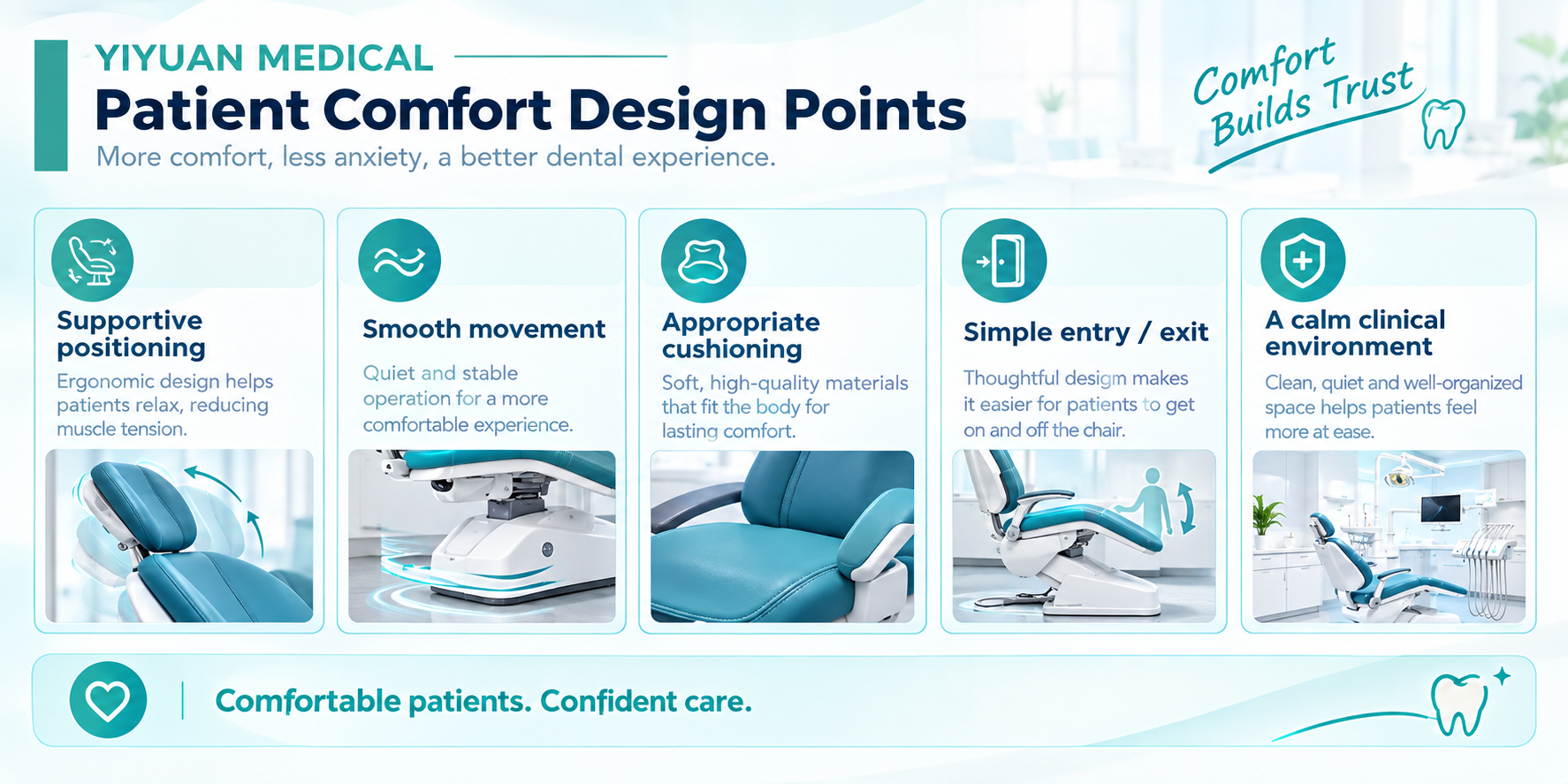
Figure 2. Practical comfort design points.
· Test common treatment positions.
· Check cushioning and support points.
· Review entry and exit clearance.
· Observe movement and operating noise.
· Consider comfort together with communication and workflow.
Comfort depends on positioning, support, cushioning, movement, access and the overall treatment environment.
Not necessarily. Support, pressure distribution and chair geometry also matter.
Yes. It is part of usability and the patient experience, especially for clinics that want a consistent treatment environment.