



 切换语言
切换语言
切换语言
切换语言
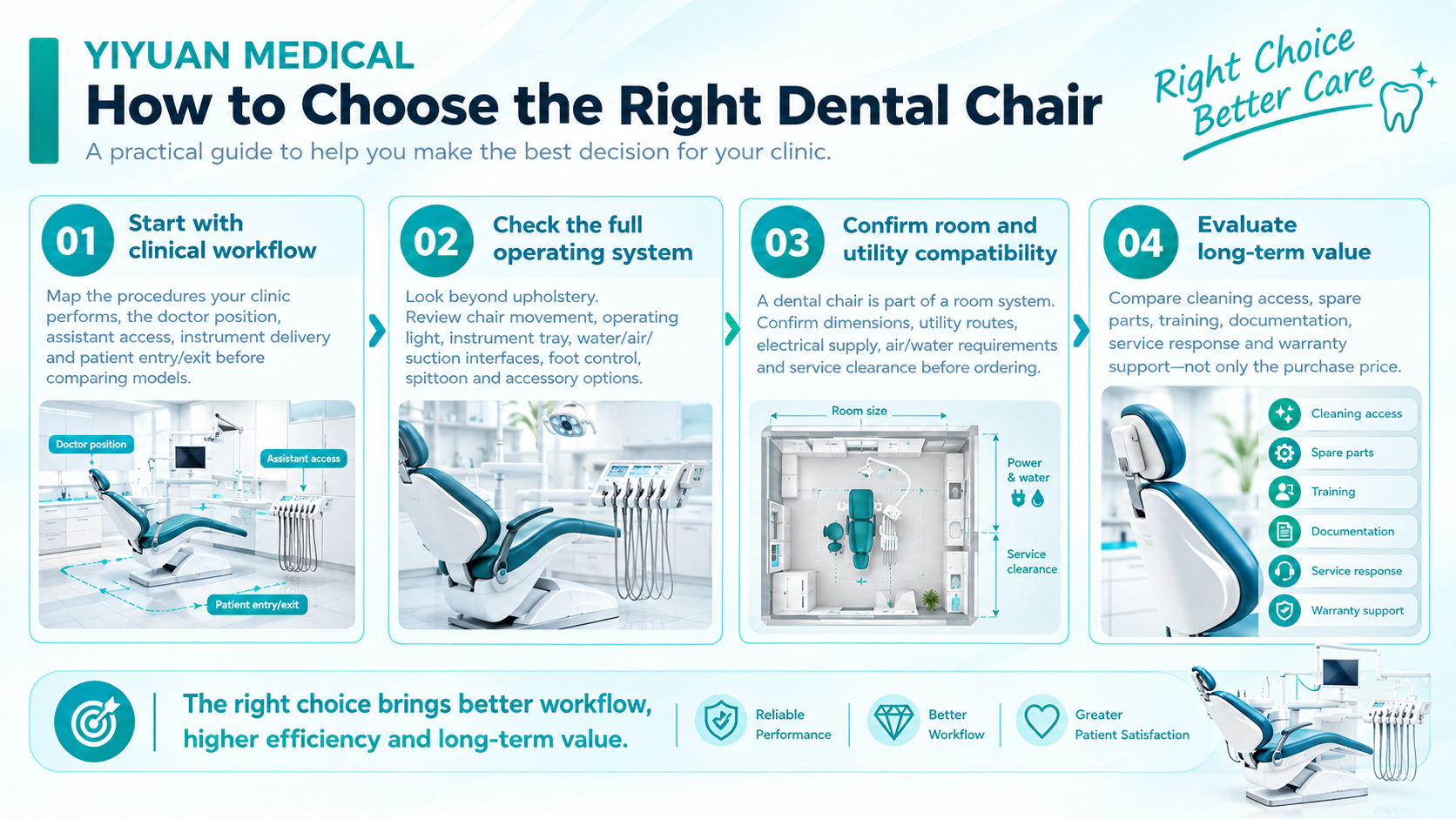
Figure 1. Practical framework for: How to Choose the Right Dental Chair for Your Clinic: A Practical Buyer Guide
Choosing a dental chair is an operational decision, not simply a furniture purchase. The chair determines patient positioning and is integrated with the delivery of instruments, lighting, water, air, suction and control systems. ISO 7494-1:2018 specifically addresses stationary dental units and dental patient chairs and includes general requirements, test methods, instructions for use, technical description, marking and packaging. That makes a structured checklist useful for buyers who want to compare products on more than appearance.
Start with the procedures the room must support. A general dentistry room may need a different combination of positioning, delivery and accessory options from a room focused on endodontics, restorative care or pediatric treatment. List who needs access to the patient, where the assistant stands, where instruments are delivered and how the patient enters and exits.
The chair should allow stable, repeatable patient positioning while leaving enough working space for the dental team. Ask whether the chair movement is intuitive, whether the control system supports repeatable positions, and whether the assistant zone remains accessible across common procedures. Good ergonomics should be assessed in the context of the whole operatory rather than the chair alone.
Compare the operating light, instrument tray, foot control, handpiece connections, air and water interfaces, suction, spittoon and optional imaging connections. The goal is to avoid buying a chair that looks complete but creates extra adapters, awkward routing or later modifications.
Request a room readiness checklist from the supplier. Confirm the footprint, utility access, electrical requirements, air and water connections, drain or wastewater arrangement where applicable, patient-side clearances and technician access. This step is especially important for renovation projects where wall and floor services are already fixed.
A low purchase price does not automatically mean lower operating cost. Ask about consumables, recommended preventive maintenance, spare-part availability, training, technical documentation and warranty conditions. A supplier that provides clear manuals and replacement-part information can reduce downtime over the equipment lifecycle.
Before selecting a model, document: clinical use cases; room dimensions; utility compatibility; positioning range; integrated instruments; cleaning access; service clearance; safety and compliance documentation; warranty; spare parts; and supplier response procedures. For regulated markets, always verify the applicable local requirements and the exact conformity status of the product being purchased.
What should I consider when buying a dental chair?
Start with clinical workflow, patient positioning, room utilities, integrated equipment, maintenance, documentation and after-sales support.
Do dental chairs need to meet standards?
Requirements depend on the destination market and product. ISO 7494-1:2018 is an international reference for stationary dental units and patient chairs; always verify the exact applicable requirements.
Evidence & source note
|
Organization / evidence |
Original source address |
|
World Health Organization (WHO) |
https://www.who.int/news-room/fact-sheets/detail/oral-health |
|
International Organization for Standardization (ISO) |
|
|
U.S. FDA |
https://www.accessdata.fda.gov/scripts/cdrh/cfdocs/cfPCD/classification.cfm?ID=KLC |