



 切换语言
切换语言
切换语言
切换语言
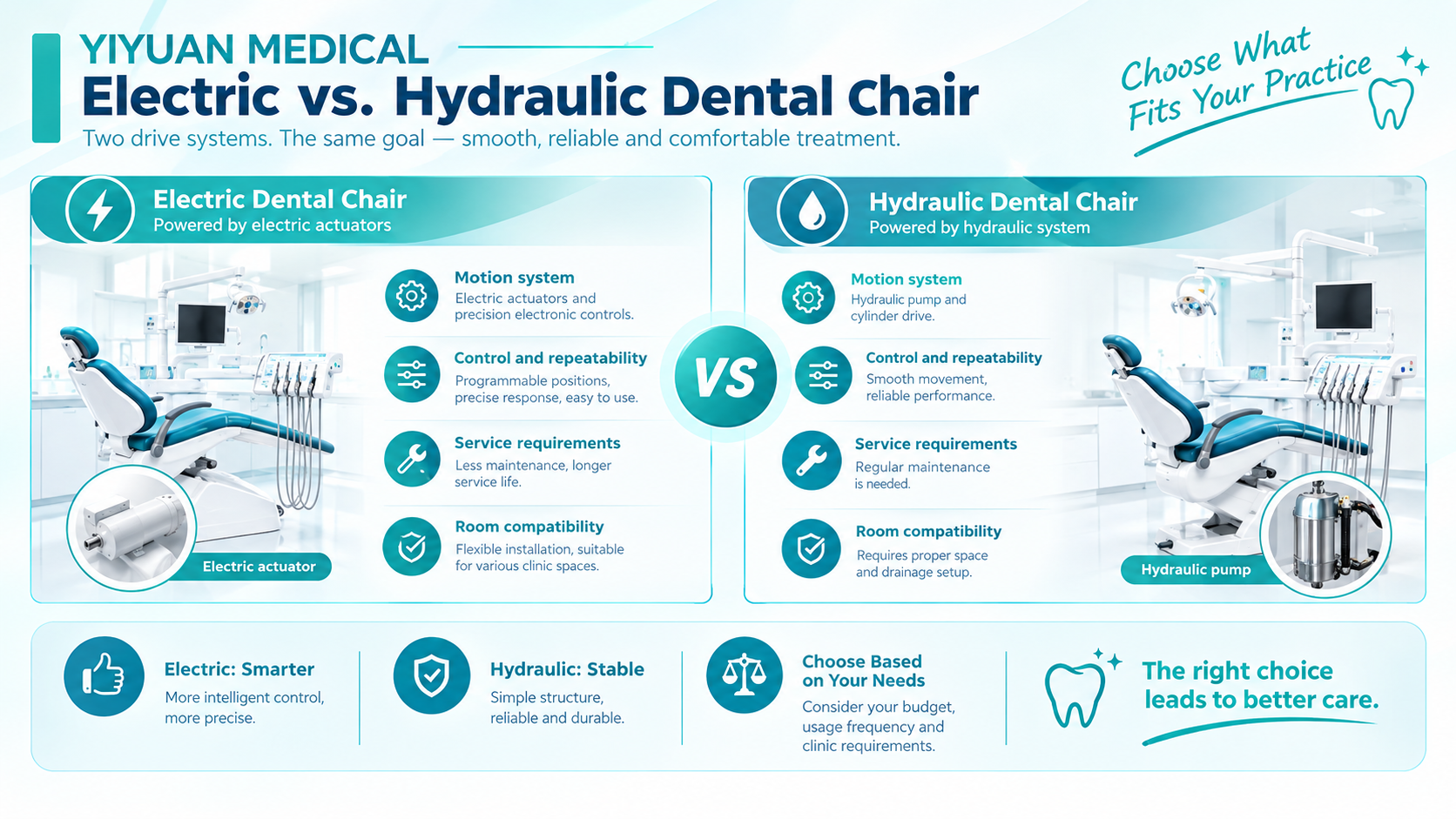
Figure 2. Practical framework for: Electric vs. Hydraulic Dental Chair: What Should Clinics Compare?
The electric-versus-hydraulic question is often presented as a simple technology choice. In practice, the better comparison is between the complete operating systems offered by specific products. Motion, control interfaces, reliability, maintenance access, room utilities and service support can vary significantly even within the same category.
Electric dental chairs generally use electric actuators driven by a control system. Hydraulic models use fluid power to generate movement. Buyers should not assume that one architecture automatically delivers better clinical performance: the meaningful differences come from engineering, component quality, control logic, installation, maintenance and the specific workflow requirements of the clinic.
Test patient entry/exit, chair height adjustment, backrest movement, working positions and emergency or manual functions. Observe whether movements are smooth and predictable. Ask the operator to repeat the same position several times and check whether the experience is consistent. Also evaluate noise, control placement and cleaning access.
Ask for the preventive-maintenance schedule, wear components, lubricant or hydraulic-fluid requirements where applicable, electrical checks, recommended inspection intervals and part numbers. The supplier should be able to explain the service path from diagnosis to replacement.
ISO 7494-1:2018 establishes general requirements and test methods for stationary dental units and dental patient chairs. In the United States, the FDA classification database lists dental chairs with or without operative units under Class I, regulation 872.6250. These references do not mean every model is approved for every market; buyers should verify the exact regulatory documentation for the product and destination country.
For a clinic, the practical decision can be organized around five questions: Which motion behavior fits the workflow? Which control system is easiest for staff to use? Which maintenance model is most manageable? Which utilities are available in the room? Which supplier can provide documentation and service for the full product life?
Is an electric dental chair better than a hydraulic chair?
The answer depends on the specific model and clinic. Compare movement behavior, control, maintenance, utilities, documentation and service rather than the technology label alone.
What should be tested during a demonstration?
Test patient entry/exit, working positions, movement smoothness, controls, noise, cleaning access and service points.
Evidence & source note
|
Organization / evidence |
Original source address |
|
International Organization for Standardization (ISO) |
|
|
U.S. FDA |
https://www.accessdata.fda.gov/scripts/cdrh/cfdocs/cfPCD/classification.cfm?ID=KLC |