



 切换语言
切换语言
切换语言
切换语言
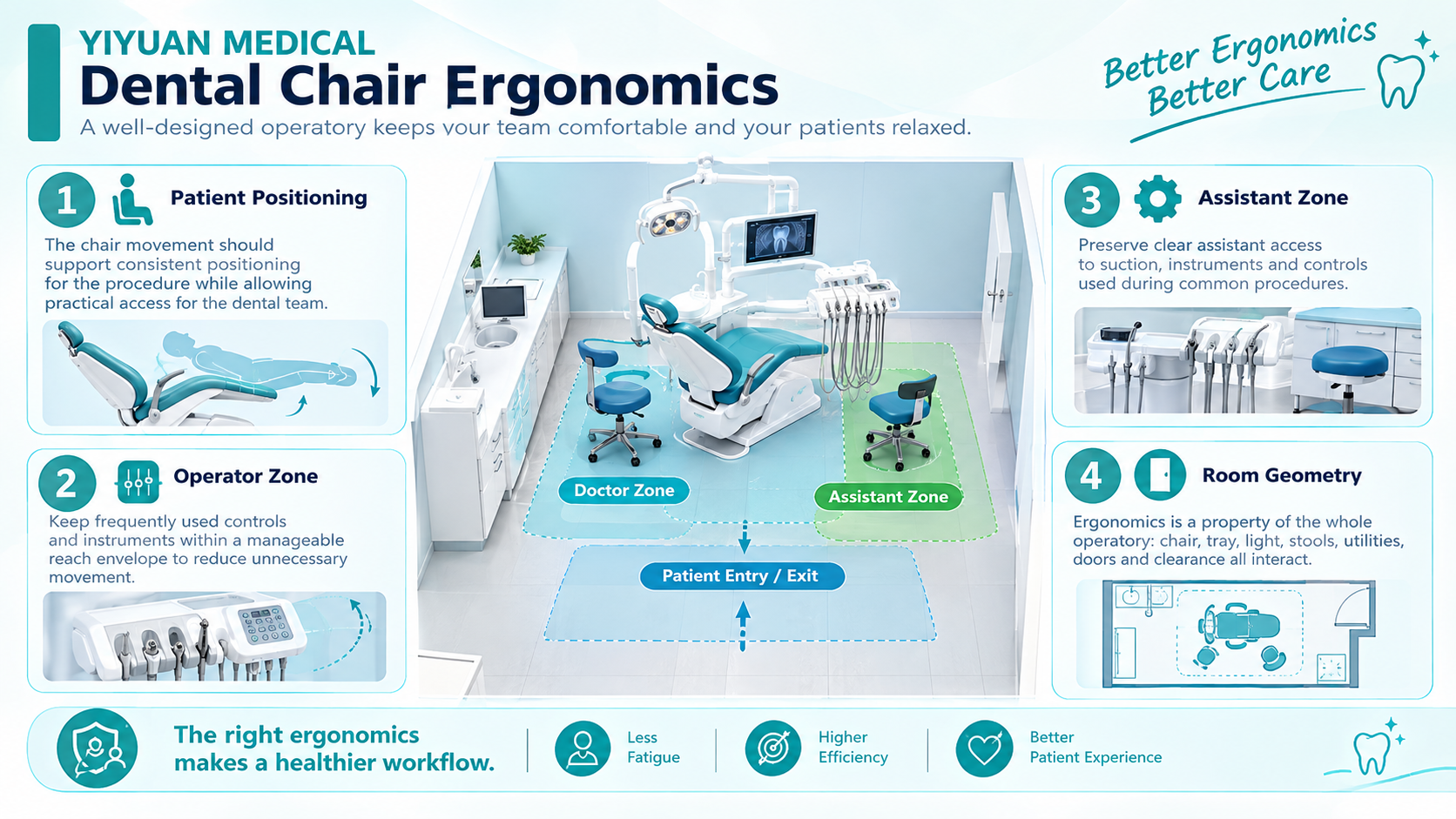
Figure 5. Practical framework for: How Dental Chair Ergonomics Can Support Efficient Operatory Workflow
WHO describes oral health as supporting essential functions such as eating, breathing and speaking and notes that oral health is integral to general health. At the operatory level, ergonomic equipment can help organize the physical environment around clinical tasks. The goal is not to claim that one chair automatically produces better outcomes, but to create a room in which clinicians can perform routine tasks with predictable access and positioning.
Start with the procedure rather than the chair. Sketch patient head position, dentist position, assistant position, operating light, instrument tray and suction. Then check whether the chair positions support those relationships. This turns ergonomics into a concrete room-planning exercise.
Place high-use items in the working zone. Controls and instruments that require repeated adjustments should be easy to access without forcing the clinician to twist or leave the ideal working position. The exact ergonomic solution depends on the clinician, assistant, procedure and room dimensions.
An operatory must also work between procedures. Leave a clear route for the patient and staff, prevent cables or equipment from creating trip hazards, and position accessories so they do not obstruct the chair path.
Chair positioning and operating-light positioning are linked. During installation, check that the light has sufficient range over the intended chair positions and that the clinician can adjust it without excessive movement. Document the preferred settings for common procedures where appropriate.
A room that feels efficient to one dentist may not suit another. Run a mock workflow with the dentist and assistant before final installation. Time is less important than observing reach, interference, repeated repositioning and awkward contact points. Record changes before floor services and cabinetry are finalized.
Why does dental chair ergonomics matter?
Because chair position, light, delivery, doctor zone and assistant zone interact during routine procedures. Ergonomics should be evaluated at the whole-room level.
How can a clinic test its operatory layout?
Run mock procedures with the actual doctor and assistant before fixing cabinetry and utilities.
Evidence & source note
|
Organization / evidence |
Original source address |
|
World Health Organization (WHO) |
https://www.who.int/news-room/fact-sheets/detail/oral-health |
|
International Organization for Standardization (ISO) |